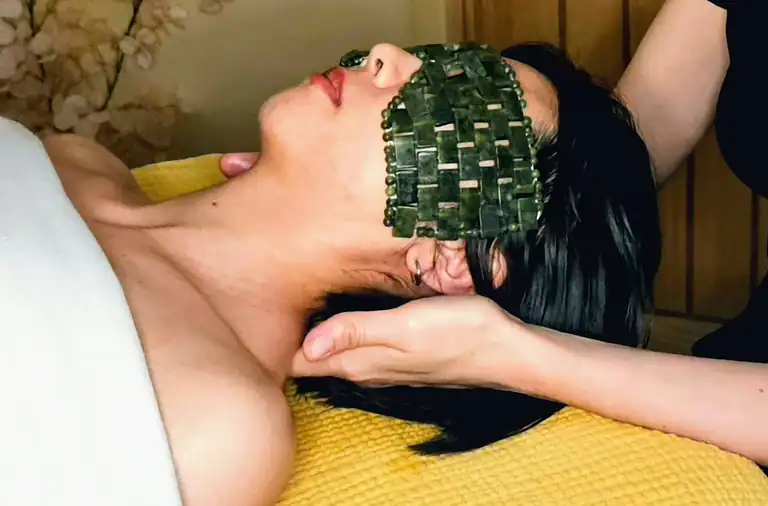
At a baby fair I attended recently, I had lots of conversations with women who told me they’d had a pregnancy massage before, but had left feeling disappointed as the treatment was so light-touch it did very little to relieve their aches and pains. Hearing that so many women had experienced the same thing was frustrating, because pregnancy massage can be incredibly effective, when you find the right massage therapist.
This guide will help you know what to look for before booking a pregnancy massage, so you can be confident you’ll have a positive, worthwhile experience.
Check for specialist pregnancy training
Not all massage therapists are trained in pregnancy massage. While many massage therapists are highly skilled, pregnancy requires additional knowledge and specific techniques to ensure both safety and effectiveness. A qualified pregnancy massage therapist should have completed extra training focused on prenatal care, and understand how to adapt treatments throughout each stage of pregnancy.
A therapist who regularly works with pregnant clients will also have a deeper understanding of how your body changes week by week, and how to support those changes.
Before booking, I would recommend checking out the credentials of who you are considering booking with, the massage industry in the UK is unregulated, meaning that anyone can set up and practice whether they have qualifications or not (this absolutely shocked me when I started training, and still horrifies me today!) If you can’t find this information easily displayed on their website, I recommend asking a few simple questions, such as:
- What training do you have in pregnancy massage? (look for level 3 or above)
- How do you adapt treatments for different stages of pregnancy?
- Are you fully insured to treat pregnant clients?
A good therapist will always be happy to answer and reassure you.
Look for relevant professional background
Massage training is important, but so is overall experience and understanding of the physiology of pregnancy. Therapists with a background in areas such as midwifery or physiotherapy often bring an added layer of knowledge. This can make a real difference when it comes to understanding common pregnancy-related discomforts, and knowing how to treat them safely and effectively. For context, most pregnancy massage training courses in the UK are 1-2 days long at level 3, whereas midwifery is a 3 year long course at level 6 or 7.
A professional background also brings an added level of safety. Professionals such as midwives, nurses and physiotherapists work in industries which are highly regulated, meaning they will have to meet high standards to maintain their professional registration. Crucially, it’s not just about knowing how to treat, it’s about knowing when NOT to. Understanding when massage may not be appropriate, or when a referral for further care is needed, is just as important.
A proper consultation is essential
Before your treatment, your massage therapist should take the time to carry out a thorough consultation. This may include asking about your pregnancy, any medical conditions, areas of discomfort, and how you’ve been feeling overall. This information is essential for ensuring the treatment you have booked is safe for you and your baby, and means that your treatment can be tailored specifically to you, and get real benefit.
Positioning & Pressure
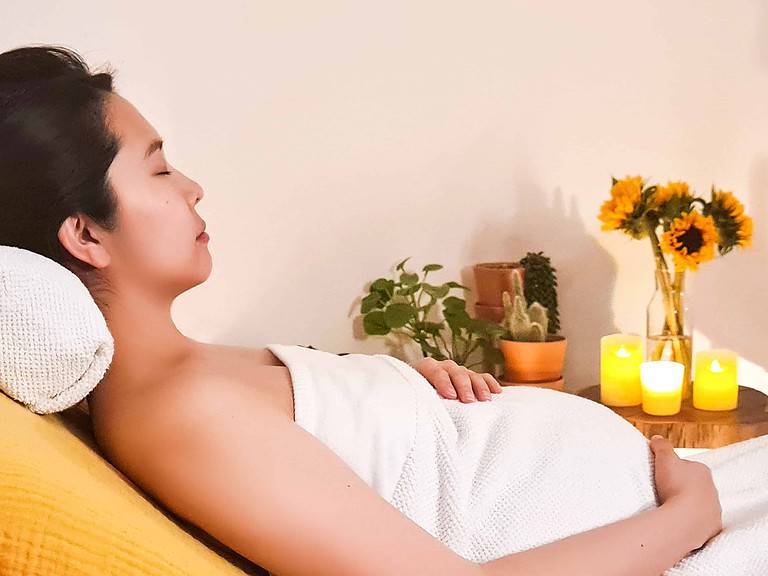
Most pregnancy treatments will be carried out in a side-lying or semi reclined position, supported by pillows to keep your body aligned and relaxed. This is especially important as your pregnancy progresses. If a therapist is asking you to lie flat on your back, or doesn’t provide adequate support, it’s a sign they may not be fully trained in pregnancy care.
You may see some massage therapists offering you the opportunity to lie face down for your massage, on a special bed or bolster with a hole cut out for your bump, while this may seem appealing to some women, there really isn’t much known about the safety of these, particularly for baby.
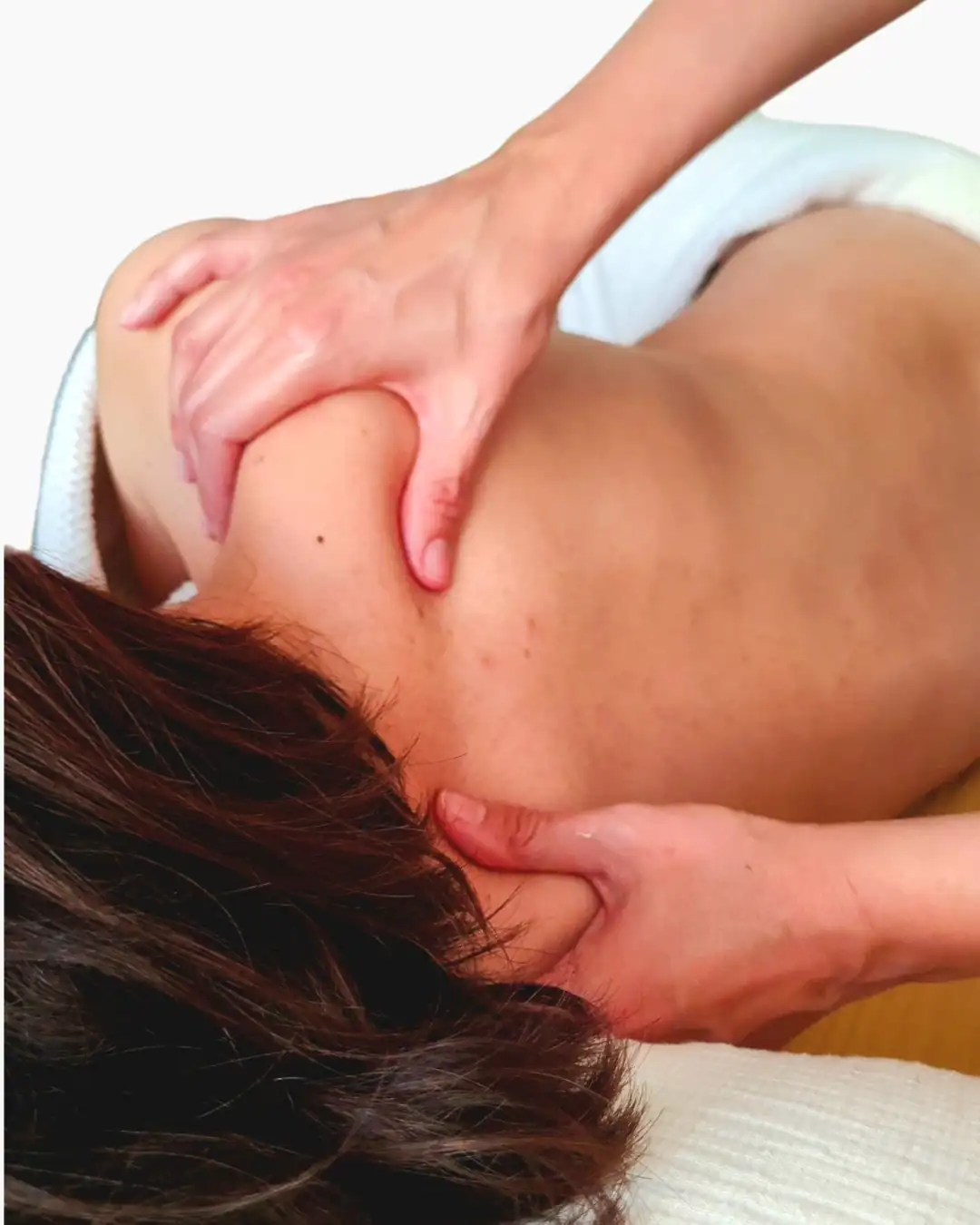
Women who spoke to me at the baby fair told me the pregnancy massage they had experienced elsewhere was “too light”, this suggests to me that they visited someone who was not confident in treating pregnant clients. While massage should always be safe and adapted, that doesn’t mean its needs to be light touch. A well-trained massage therapist will know how to apply appropriate pressure to relieve tension, ease tight muscles and support your body without compromising safety. You should leave your treatment feeling a genuine difference, not wondering if anything actually happened.
It would be worth reading some reviews and having a look on social media to check these things out.
Final thoughts
Pregnancy massage can be an incredibly effective way to ease aches and pains and give you a much-needed moment to rest and connect with your changing body. In fact there is a growing body of evidence that massage during pregnancy has many more benefits for both you and your baby.
Taking a little time to find the right therapist can make all the difference to your experience, not just to how you feel physically, but how supported and cared for you feel during this time.
I hope this has helped you to feel confident in your search for the best pregnancy massage therapist for you. If you have any questions, you’re always welcome to get in touch with me.